A Code Review Culture That Helps Your Team (Not One That Slows It Down)
Build a code review culture grounded in psychological safety, useful feedback, and zero gatekeeping: reviews that push your team forward instead of holding it back.
The difference between a review that makes you a better developer and one that makes you question your career is your team’s culture. Not the language, not the framework, not the seniority of whoever’s reviewing. Culture.
If every pull request feels like an exam, your team won’t grow — it will hide. If every PR feels like a conversation between peers, the same code that scared people yesterday teaches them something today. And here’s the good part: that doesn’t happen by magic. It gets built through small habits, repeated until they become how you work.
🧠 Psychological safety comes first
Before we argue about code style, let’s talk about what the person who opened the PR is feeling. They hit “create pull request” and stepped into the spotlight. That moment sets the tone for everything.
- You review code, never people. Always.
- “This approach has a concurrency problem” moves things forward. “You can’t code” sets things back forever.
- If a team is afraid of mistakes, bugs go into hiding instead of getting fixed.
- Celebrate questions: the person asking is the one learning fastest.
A team that dares to show unfinished work finds problems early. Everything else flows from that.
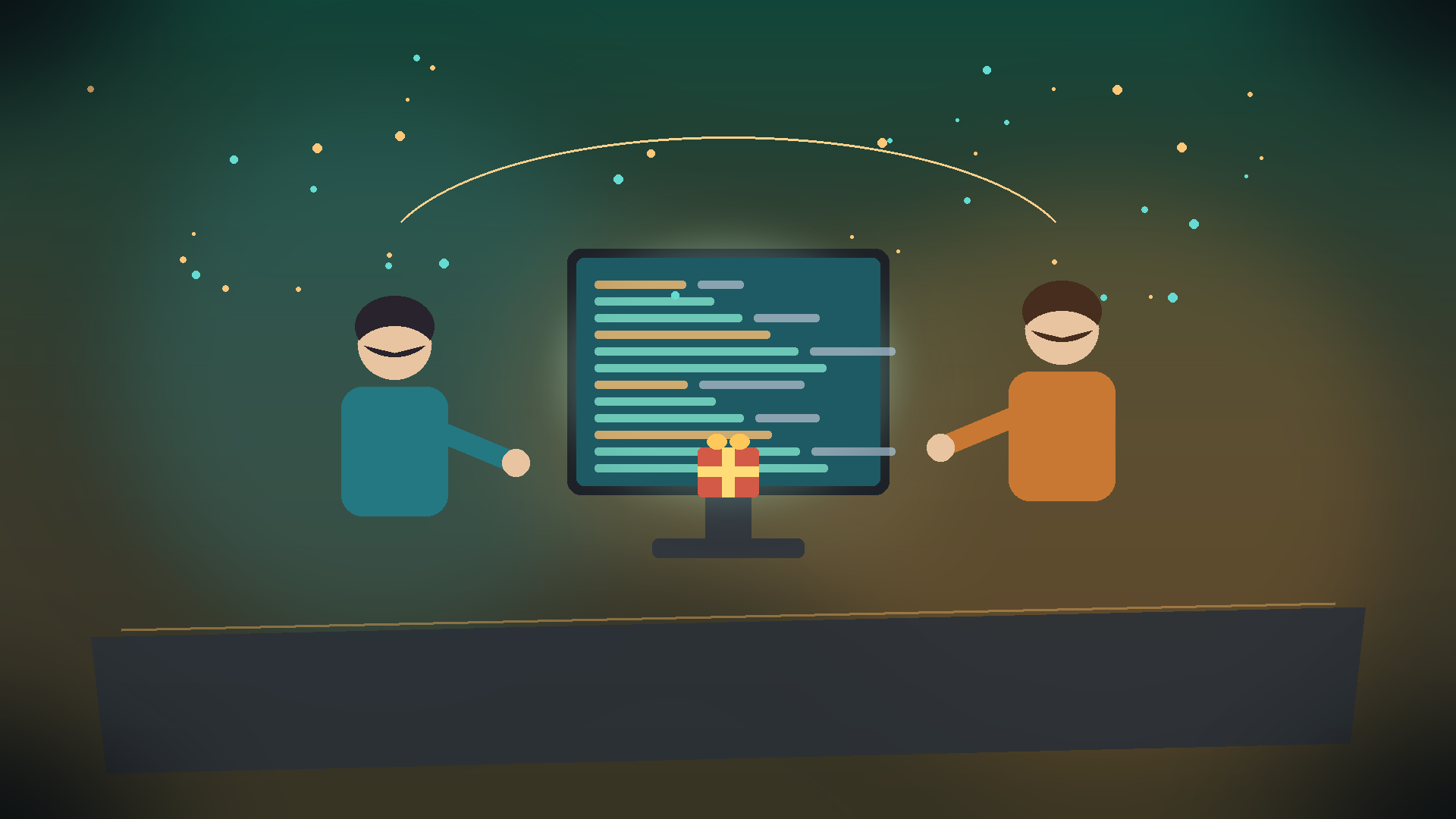
🎁 Feedback is a gift (give it and receive it that way)
Feedback isn’t a verdict on your talent. It’s a gift someone gives you with their own time. Wrapped badly, it stings — but it’s still a gift.
- Comment from the writer’s side: suggest instead of sentencing.
- Separate blocking from optional, and say it out loud. A “suggestion, not blocking” saves everyone a headache.
- On the receiving side: say thanks, and if you disagree, share your reasoning instead of going silent.
- Debate ideas with energy, but leave the ego out. You are not your diff.
📏 PR etiquette that helps everyone
Good etiquette isn’t bureaucracy — it’s courtesy with a schedule. Nobody should have to guess where to look or how to start.
- Keep PRs small. Re-reading 150 lines is easy; 1,500 is not.
- Write a clear description: what, why, and how to test it.
- Do your own self-review before requesting someone else’s. You’ll find most of them yourself.
- If the change is visual, attach a screenshot or a short video.
- Agree on a reasonable response time — and actually honor it.
🌙 Async reviews, focused team
Nothing drains a team’s energy faster than watching someone blocked, waiting for another human to read their diff at a time that isn’t that human’s hours.
- Write comments for the “future you” who reads them the next morning, without the context still living in your head.
- Don’t expect instant replies. Expect clear ones.
- If it’s urgent, ping directly and move on, guilt-free.
- A well-documented review thread is worth half a meeting.
🚪 Gatekeepers vs. mentors
Gatekeeping is the easy route: “I won’t approve until it looks the way I’d write it.” That doesn’t raise quality — it raises friction, and within two sprints nobody wants to touch the repo.
- A mentor says “let’s try this path.” A gatekeeper says “no, just because.”
- Approve with comments and follow up: it doesn’t have to be perfect to merge.
- The question that measures everything: does this review leave someone who knows more than they did yesterday?
🚀 Conclusion
A healthy review culture doesn’t get announced in a README. It gets demonstrated in your very next comment. Your team doesn’t need more process — it needs every review to be a hand up, not a wall.
So go: today, leave someone one clear, kind, actionable suggestion on their PR, and thank a reviewer who once made your work better. One comment from you can change how someone feels about their job. Start now.